---
title: Signs That A Hotel Redesign Is Needed
description: This article dives into the signs that might indicate that your hotel could benefit from a redesign and what to do about it.
image: https://www.nuconcepts.co.uk/hubfs/Signs-Your-Hotel-Needs-To-Be-Redesigned.jpg
---
[01925 648 585](tel:01925648585)[info@nuconcepts.co.uk](mailto:info@nuconcepts.co.uk)
[30th Growth Ave, NY 1003, USA](https://g.page/hubspot-cambridge-25-first?share)[+212-800-1234](tel:+212-800-1234)[info@yourcompany.com](mailto:info@yourcompany.com)
[](https://www.nuconcepts.co.uk/)
[](https://www.nuconcepts.co.uk/)
- ABOUT
- [ABOUT](https://www.nuconcepts.co.uk/about)
- [HOW WE WORK](https://www.nuconcepts.co.uk/how-we-work)
- [TESTIMONIALS](https://www.nuconcepts.co.uk/testimonials)
- [PARTNERS](https://www.nuconcepts.co.uk/partners)
- SERVICES
- [RESIDENTIAL](https://www.nuconcepts.co.uk/services/residential-architecture-services)
- [COMMERCIAL](https://www.nuconcepts.co.uk/services/commercial-architecture-services)
- [LOFT CONVERSIONS](https://www.nuconcepts.co.uk/loft-conversions)
- [GALLERY](https://www.nuconcepts.co.uk/gallery)
- RESOURCES
- [BLOG](https://www.nuconcepts.co.uk/blog)
- [RESIDENTIAL CASE STUDIES](https://www.nuconcepts.co.uk/case-studies/residential)
- [COMMERCIAL CASE STUDIES](https://www.nuconcepts.co.uk/case-studies/commercial)
- [CONTACT](https://www.nuconcepts.co.uk/contact)
[BOOK A VIRTUAL MEETING](https://www.nuconcepts.co.uk/book-a-meeting)
[BOOK A VIRTUAL MEETING](https://www.nuconcepts.co.uk/book-a-meeting)
- ABOUT
- [ABOUT](https://www.nuconcepts.co.uk/about)
- [HOW WE WORK](https://www.nuconcepts.co.uk/how-we-work)
- [TESTIMONIALS](https://www.nuconcepts.co.uk/testimonials)
- [PARTNERS](https://www.nuconcepts.co.uk/partners)
- SERVICES
- [RESIDENTIAL](https://www.nuconcepts.co.uk/services/residential-architecture-services)
- [COMMERCIAL](https://www.nuconcepts.co.uk/services/commercial-architecture-services)
- [LOFT CONVERSIONS](https://www.nuconcepts.co.uk/loft-conversions)
- [GALLERY](https://www.nuconcepts.co.uk/gallery)
- RESOURCES
- [BLOG](https://www.nuconcepts.co.uk/blog)
- [RESIDENTIAL CASE STUDIES](https://www.nuconcepts.co.uk/case-studies/residential)
- [COMMERCIAL CASE STUDIES](https://www.nuconcepts.co.uk/case-studies/commercial)
- [CONTACT](https://www.nuconcepts.co.uk/contact)
[Book A Discovery Call](https://www.nuconcepts.co.uk/book-a-meeting)
blog
#### Share this
[Share on X](https://x.com/intent/post?url=https://www.nuconcepts.co.uk/blog/signs-that-hotel-redesign-is-needed&text=Signs+That+A+Hotel+Redesign+Is+Needed) [Share on Facebook](https://www.facebook.com/sharer/sharer.php?u=https://www.nuconcepts.co.uk/blog/signs-that-hotel-redesign-is-needed&t=Signs+That+A+Hotel+Redesign+Is+Needed) [Share on LinkedIn](https://www.linkedin.com/shareArticle?mini=true&url=https://www.nuconcepts.co.uk/blog/signs-that-hotel-redesign-is-needed&t=Signs+That+A+Hotel+Redesign+Is+Needed)
# Signs Your Hotel Needs To Be Redesigned
by [**Vishal Verma**](https://www.nuconcepts.co.uk/blog/author/vishal-verma) on Mar 11, 2026, 10:00:00 AM
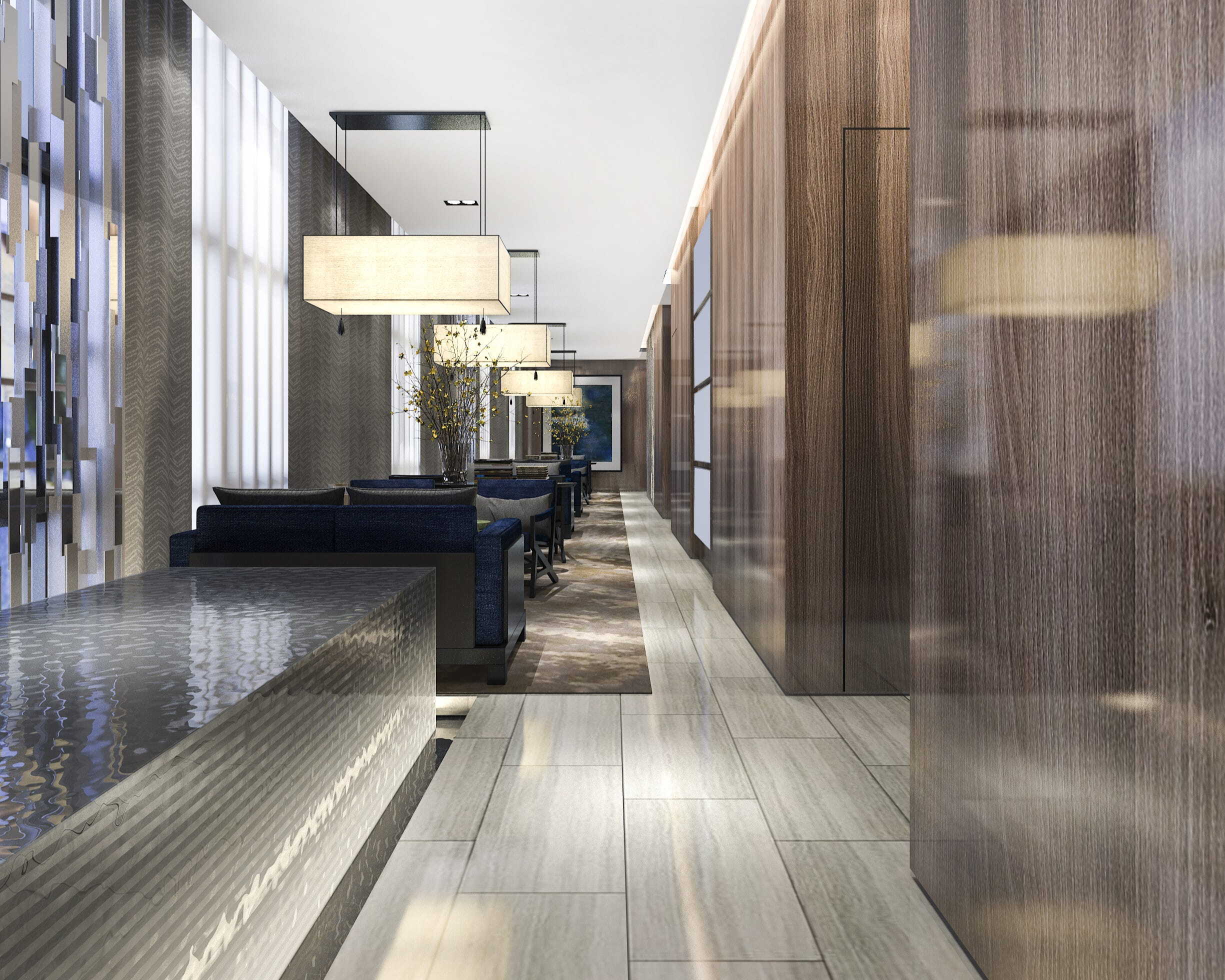
[Hotels](https://www.nuconcepts.co.uk/services/commercial-architecture-services) rarely fail because of a single issue. More often, performance declines gradually as the building no longer supports how guests behave, how staff work, or how the market has evolved. When this happens, operational problems and declining guest satisfaction are often symptoms of a deeper design issue.
A redesign is not always about aesthetics or keeping up with trends. In many cases, it is about realigning the building with how it is actually used today and how it needs to perform in the future. Recognising the early signs helps hotel owners make informed decisions before small issues turn into larger commercial risks.
## [](https://www.nuconcepts.co.uk/hs/cta/wi/redirect?encryptedPayload=AVxigLL36CbNyC7iMT4bv9I0nleewHUvZrWojzXrkF2Ly9z6G6OpXoXjJY%2BSDMZ%2BYfzECKjY3bLqjMDOCDzGdYCIkVzm1qcyra1JQDpotesVWPLyITH9UgQZMdA7ii7IlzpXaF%2FQE1KSdGotgTYLeKF6D2ZFEWNS87zJaylWKBYuH0MsosBqpSx4yapHN%2Fuhyz60XZPALui5L1lzycfKfCyc7qgw%2F0QW&webInteractiveContentId=184040322966&portalId=6616482) Guest Experience Feels Inconsistent
One of the clearest indicators that a hotel may need redesigning is inconsistency in the guest experience. Spaces that feel disjointed, confusing circulation, or rooms that vary significantly in quality can undermine perception, even if the hotel is well maintained.
Guests often form an impression within minutes of arrival. If arrival areas, circulation routes, or public spaces feel dated, cramped, or poorly organised, this can affect reviews and repeat bookings. [Design](https://www.nuconcepts.co.uk/blog/how-design-help-maximise-hotels-potential) plays a central role in how intuitive and comfortable a hotel feels.
## Operational Inefficiencies Are Increasing
When staff workflows become inefficient, design is often part of the problem. Poorly planned back-of-house areas, long service routes, or inadequate storage can slow operations and increase labour costs.
Hotels that have evolved through piecemeal alterations are particularly prone to this issue. Over time, operational workarounds become embedded, masking underlying [layout](https://www.nuconcepts.co.uk/blog/layout-of-hotel-influence-guest-experience) problems that could be resolved through a hotel redesign.
## Spaces No Longer Match Guest Expectations
Guest expectations change over time. What once felt adequate may now feel restrictive or outdated. This is particularly evident in bedrooms, bathrooms, and shared spaces where comfort, flexibility, and usability are increasingly important.
Hotels that struggle to adapt existing layouts to modern expectations often experience declining occupancy or pressure on room rates. An hotel redesign allows spaces to be reassessed holistically rather than relying on incremental fixes.
## Maintenance And Upkeep Are Becoming More Costly
Rising maintenance costs can indicate that materials, systems, or layouts are no longer suitable for the intensity of use. Poor access to services, ageing infrastructure, or finishes that wear quickly all contribute to higher long-term costs.
A considered hotel redesign can address these issues by improving access, simplifying layouts, and selecting materials that are better suited to the building’s use. This reduces ongoing disruption and supports more predictable maintenance planning.
## The Building Limits Future Growth
Hotels that cannot adapt easily to new operational models, branding strategies, or market demands are at greater risk over time. Layouts that lack flexibility or buildings that are constrained by earlier design decisions can limit opportunities for growth.
design offers the chance to reassess how the building could support future uses, whether through reconfigured room types, improved communal spaces, or better integration of technology and services.
## Commercial Performance Is Under Pressure
Declining occupancy, increased competition, or difficulty justifying room rates are often symptoms of deeper alignment issues between the building and its market position. While marketing and management play a role, design has a direct influence on how a hotel competes.
Hotels that feel intuitive, comfortable, and well resolved tend to perform more strongly because guests can immediately understand and enjoy the space. Redesign can help reposition a hotel more clearly within its target market.
## Knowing When To Act
Not every hotel needs a full redesign, but recognising when design is holding performance back is critical. Early assessment allows owners to explore options, understand constraints, and plan changes strategically rather than reactively.
If you are reviewing the performance of a hotel and questioning whether the building is still supporting your operational and commercial goals, exploring design-led options early can provide clarity on what changes would have the greatest impact before committing to refurbishment or repositioning.
Buildings shape performance more than most owners realise. If you are reviewing your [hotel](https://www.nuconcepts.co.uk/services/commercial-architecture-services)’s long-term position, [book a meeting](https://www.nuconcepts.co.uk/contact) to evaluate how design can better support operational efficiency and market competitiveness.
[](https://www.nuconcepts.co.uk/hs/cta/wi/redirect?encryptedPayload=AVxigLJfd9ky%2BlZ5GBDI3eCa28JkuQlDz6xiNtmvdVvk45rh3n%2FBW3EyMxcm3y9kuhaxP%2BElduY43tTISHS2xMF0RGfA8t%2Fpgq%2BtzLqSF1qX0rTBkrcuyJaHLl6Zv6wA51BG1neHYxCIeQf66wBzLRu6VfiYYWWucEvjih60HRBPkuVwQ8Q0%2FHsVlQ%3D%3D&webInteractiveContentId=169974541119&portalId=6616482)
Image Source: [Envato](https://app.envato.com/photos/6673ed54-3767-4d0c-a524-5cf3a0273f97)
Topics: [Commercial Architecture](https://www.nuconcepts.co.uk/blog/tag/commercial-architecture) [Hotel Design](https://www.nuconcepts.co.uk/blog/tag/hotel-design)
#### Share this
[Share on X](https://x.com/intent/post?url=https://www.nuconcepts.co.uk/blog/signs-that-hotel-redesign-is-needed&text=Signs+That+A+Hotel+Redesign+Is+Needed) [Share on Facebook](https://www.facebook.com/sharer/sharer.php?u=https://www.nuconcepts.co.uk/blog/signs-that-hotel-redesign-is-needed&t=Signs+That+A+Hotel+Redesign+Is+Needed) [Share on LinkedIn](https://www.linkedin.com/shareArticle?mini=true&url=https://www.nuconcepts.co.uk/blog/signs-that-hotel-redesign-is-needed&t=Signs+That+A+Hotel+Redesign+Is+Needed)
### No Comments Yet
Let us know what you think
[facebook-f icon](https://www.facebook.com/nuconceptsltd) [instagram icon](https://www.linkedin.com/company/nu-concepts/)
### Posts By Topics
- [Residential Architecture (17)](https://www.nuconcepts.co.uk/blog/tag/residential-architecture)
- [Case Studies (7)](https://www.nuconcepts.co.uk/blog/tag/case-studies)
- [Commercial Architecture (6)](https://www.nuconcepts.co.uk/blog/tag/commercial-architecture)
- [Small Extension (6)](https://www.nuconcepts.co.uk/blog/tag/small-extension)
- [Loft Conversions (5)](https://www.nuconcepts.co.uk/blog/tag/loft-conversions)
- [Residential Case Studies (5)](https://www.nuconcepts.co.uk/blog/tag/residential-case-studies)
- [HMO (3)](https://www.nuconcepts.co.uk/blog/tag/hmo)
- [Commercial Case Studies (2)](https://www.nuconcepts.co.uk/blog/tag/commercial-case-studies)
- [Hotel Design (2)](https://www.nuconcepts.co.uk/blog/tag/hotel-design)
- [Two-Story Extension (2)](https://www.nuconcepts.co.uk/blog/tag/two-story-extension)
- [Architecture Technologist (1)](https://www.nuconcepts.co.uk/blog/tag/architecture-technologist)
- [Building Regulations (1)](https://www.nuconcepts.co.uk/blog/tag/building-regulations)
- [Domestic Architecture (1)](https://www.nuconcepts.co.uk/blog/tag/domestic-architecture)
- [Hotel Extension (1)](https://www.nuconcepts.co.uk/blog/tag/hotel-extension)
- [Planning Application (1)](https://www.nuconcepts.co.uk/blog/tag/planning-application)
see all
### Recent Articles
[Designing A Loft Conversion That Actually Works: What Every Cheshire Homeowner Needs To Decide Before Contacting Anyone](https://www.nuconcepts.co.uk/blog/designing-a-loft-conversion-that-works)
[When Should You Use An Architect For A Loft Conversion?](https://www.nuconcepts.co.uk/blog/when-need-architect-for-loft-conversion)
[Planning A Loft Conversion: What You Should Know Before You Start](https://www.nuconcepts.co.uk/blog/planning-loft-conversion-what-know-before)
[HMO Property Design Mistakes And How To Avoid Them](https://www.nuconcepts.co.uk/blog/hmo-property-design-mistakes-how-avoid)
[Signs Your Hotel Needs To Be Redesigned](https://www.nuconcepts.co.uk/blog/signs-that-hotel-redesign-is-needed)
### Search
This is a search field with an autosuggest feature attached.
- There are no suggestions because the search field is empty.
### Subscribe to our blog
#### 
**Telephone:** [01925 648 585](tel:+441925648585)
**Email:** [info@nuconcepts.co.uk](mailto:info@nuconcepts.co.uk)
VAT Number: 158 121 816
Company Number: 7698098
- [HOME](https://www.nuconcepts.co.uk)
- [ABOUT](https://www.nuconcepts.co.uk/about)
- [HOW WE WORK](https://www.nuconcepts.co.uk/how-we-work)
- [CASE STUDIES](https://www.nuconcepts.co.uk/case-studies/residential)
- [GALLERY](https://www.nuconcepts.co.uk/gallery)
- [TESTIMONIALS](https://www.nuconcepts.co.uk/testimonials)
- [CONTACT](https://www.nuconcepts.co.uk/contact)
- [COMMERCIAL](https://www.nuconcepts.co.uk/services/commercial-architecture-services)
- [RESIDENTIAL](https://www.nuconcepts.co.uk/services/residential-architecture-services)
- [MANCHESTER](https://www.nuconcepts.co.uk/manchester-architect-services)
- [LYMM](https://www.nuconcepts.co.uk/architects-lymm-services)
- [KNUTSFORD](https://www.nuconcepts.co.uk/architects-knutsford)
- [RUNCORN](https://www.nuconcepts.co.uk/architects-runcorn-services)
- [ST HELENS](https://www.nuconcepts.co.uk/st-helens-architects)
Copyright © 2026 NU Concepts
- Developed by [JDR Group](https://www.jdrgroup.co.uk)
- Terms
- [Privacy](https://6616482.hs-sites.com/privacy)
- [Cookies](https://6616482.hs-sites.com/cookies)
```json
{
"@context" : "https://schema.org",
"@type" : "BlogPosting",
"author" : {
"@type" : "Person",
"name" : "Vishal Verma",
"url" : "https://www.nuconcepts.co.uk/blog/author/vishal-verma"
},
"dateModified" : "2026-03-16T10:51:15.671Z",
"datePublished" : "2026-03-11T10:00:00.000Z",
"headline" : "Signs That A Hotel Redesign Is Needed",
"image" : [ "https://www.nuconcepts.co.uk/hubfs/Signs-Your-Hotel-Needs-To-Be-Redesigned.jpg" ],
"mainEntityOfPage" : {
"@id" : "https://www.nuconcepts.co.uk/blog/signs-that-hotel-redesign-is-needed",
"@type" : "WebPage"
},
"publisher" : {
"@type" : "Organization",
"logo" : {
"@type" : "ImageObject",
"url" : "https://www.nuconcepts.co.uk/hubfs/NU%20Concepts%20Logo-1.jpg"
},
"name" : "NU Concepts"
}
}
```
```json
{
"@context" : "https://schema.org",
"@type" : "LocalBusiness",
"address" : {
"@type" : "PostalAddress",
"addressCountry" : "UK",
"addressLocality" : "Warrington",
"addressRegion" : "Cheshire",
"postalCode" : "WA3 6ZH",
"streetAddress" : "Rutherford House, Warrington Rd, Birchwood"
},
"aggregateRating" : {
"@type" : "AggregateRating",
"ratingValue" : "5.0",
"reviewCount" : "30"
},
"alternateName" : "NU Concepts",
"contactPoint" : {
"@type" : "ContactPoint",
"areaServed" : "GB",
"availableLanguage" : "en",
"contactType" : "customer service",
"telephone" : "+44 0192 564 8585"
},
"geo" : {
"@type" : "GeoCoordinates",
"latitude" : 53.4045,
"longitude" : -2.5206
},
"image" : "https://www.nuconcepts.co.uk/hubfs/51-0-0-0-10000-10000-768.webp",
"logo" : "https://www.nuconcepts.co.uk/hs-fs/hubfs/NU%20Concepts%20Logo-1.jpg",
"name" : "NU Concepts Ltd",
"openingHours" : [ "Mo-Fr 09:00-17:30", "Sa 09:30-13:30", "Su Closed" ],
"priceRange" : "£",
"sameAs" : [ "https://www.facebook.com/nuconceptsltd", "https://x.com/NUConceptsLtd", "https://www.instagram.com/nuconceptsltd/", "https://www.linkedin.com/company/nu-concepts/", "https://in.pinterest.com/nconcepts0652/" ],
"telephone" : "0192 593 1073",
"url" : "https://www.nuconcepts.co.uk/"
}
```