---
title: Homeowners Considerations For Residential Architectural Design
description: This article dives into the design considerations homeowners should keep in mind to ensure that their residential architectural design is a success.
image: https://www.nuconcepts.co.uk/hubfs/Residential-Design-Considerations-For-Homeowners.jpg
---
[01925 648 585](tel:01925648585)[info@nuconcepts.co.uk](mailto:info@nuconcepts.co.uk)
[30th Growth Ave, NY 1003, USA](https://g.page/hubspot-cambridge-25-first?share)[+212-800-1234](tel:+212-800-1234)[info@yourcompany.com](mailto:info@yourcompany.com)
[](https://www.nuconcepts.co.uk/)
[](https://www.nuconcepts.co.uk/)
- ABOUT
- [ABOUT](https://www.nuconcepts.co.uk/about)
- [HOW WE WORK](https://www.nuconcepts.co.uk/how-we-work)
- [TESTIMONIALS](https://www.nuconcepts.co.uk/testimonials)
- [PARTNERS](https://www.nuconcepts.co.uk/partners)
- SERVICES
- [RESIDENTIAL](https://www.nuconcepts.co.uk/services/residential-architecture-services)
- [COMMERCIAL](https://www.nuconcepts.co.uk/services/commercial-architecture-services)
- [LOFT CONVERSIONS](https://www.nuconcepts.co.uk/loft-conversions)
- [GALLERY](https://www.nuconcepts.co.uk/gallery)
- RESOURCES
- [BLOG](https://www.nuconcepts.co.uk/blog)
- [RESIDENTIAL CASE STUDIES](https://www.nuconcepts.co.uk/case-studies/residential)
- [COMMERCIAL CASE STUDIES](https://www.nuconcepts.co.uk/case-studies/commercial)
- [CONTACT](https://www.nuconcepts.co.uk/contact)
[BOOK A VIRTUAL MEETING](https://www.nuconcepts.co.uk/book-a-meeting)
[BOOK A VIRTUAL MEETING](https://www.nuconcepts.co.uk/book-a-meeting)
- ABOUT
- [ABOUT](https://www.nuconcepts.co.uk/about)
- [HOW WE WORK](https://www.nuconcepts.co.uk/how-we-work)
- [TESTIMONIALS](https://www.nuconcepts.co.uk/testimonials)
- [PARTNERS](https://www.nuconcepts.co.uk/partners)
- SERVICES
- [RESIDENTIAL](https://www.nuconcepts.co.uk/services/residential-architecture-services)
- [COMMERCIAL](https://www.nuconcepts.co.uk/services/commercial-architecture-services)
- [LOFT CONVERSIONS](https://www.nuconcepts.co.uk/loft-conversions)
- [GALLERY](https://www.nuconcepts.co.uk/gallery)
- RESOURCES
- [BLOG](https://www.nuconcepts.co.uk/blog)
- [RESIDENTIAL CASE STUDIES](https://www.nuconcepts.co.uk/case-studies/residential)
- [COMMERCIAL CASE STUDIES](https://www.nuconcepts.co.uk/case-studies/commercial)
- [CONTACT](https://www.nuconcepts.co.uk/contact)
[Book A Discovery Call](https://www.nuconcepts.co.uk/book-a-meeting)
blog
#### Share this
[Share on X](https://x.com/intent/post?url=https://www.nuconcepts.co.uk/blog/homeowners-considerations-for-residential-architectural-design&text=Homeowners+Considerations+For+Residential+Architectural+Design) [Share on Facebook](https://www.facebook.com/sharer/sharer.php?u=https://www.nuconcepts.co.uk/blog/homeowners-considerations-for-residential-architectural-design&t=Homeowners+Considerations+For+Residential+Architectural+Design) [Share on LinkedIn](https://www.linkedin.com/shareArticle?mini=true&url=https://www.nuconcepts.co.uk/blog/homeowners-considerations-for-residential-architectural-design&t=Homeowners+Considerations+For+Residential+Architectural+Design)
# Residential Architectural Design Considerations For Homeowners
by [**Vishal Verma**](https://www.nuconcepts.co.uk/blog/author/vishal-verma) on Mar 4, 2026, 10:00:00 AM
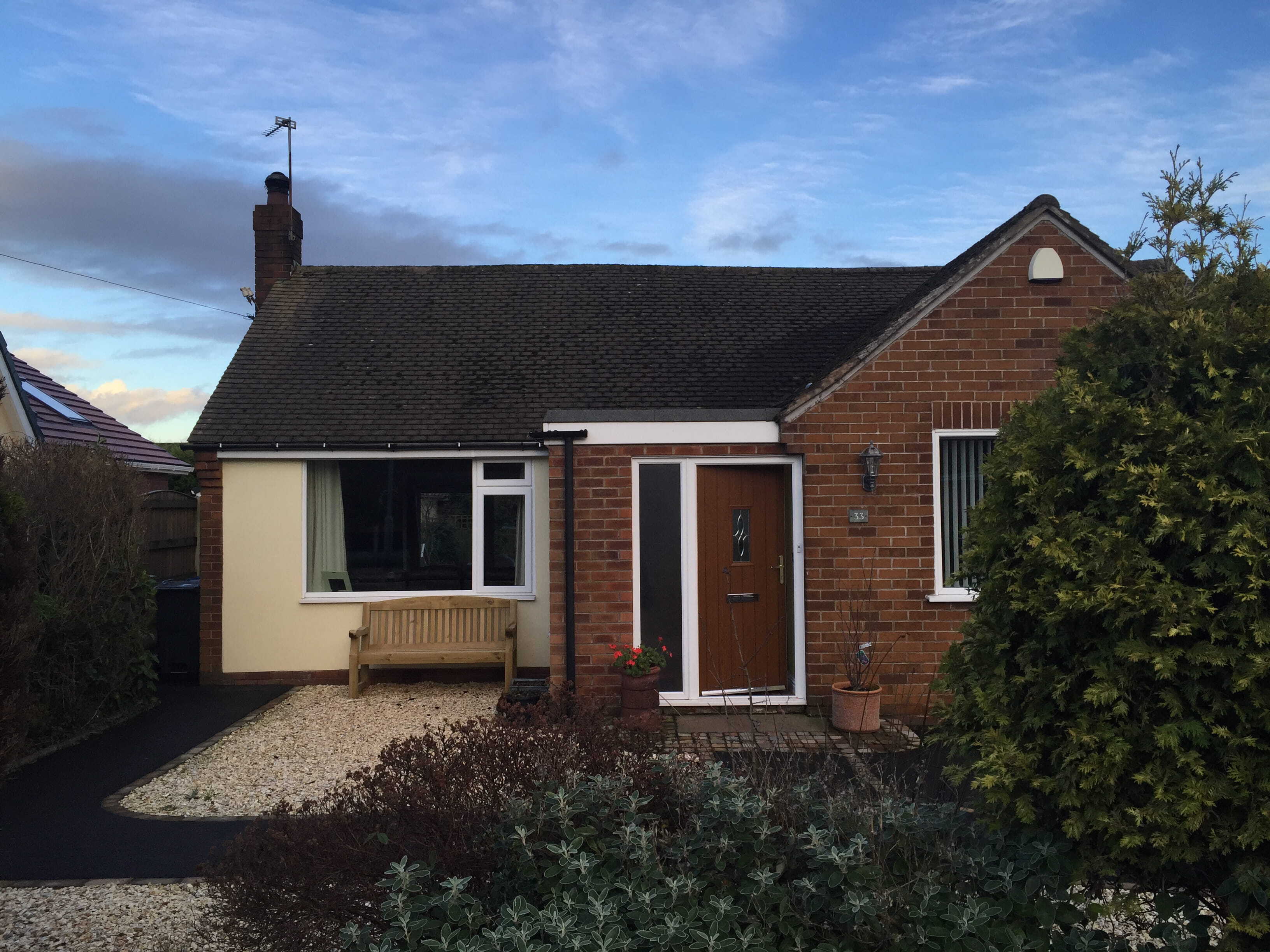
[Residential architectural design](https://www.nuconcepts.co.uk/services/residential-architecture-services) is often associated with style, finishes, or personal taste. While these elements matter, they are rarely what determine whether a home truly works. The most successful residential projects are those where design decisions support how people live day to day, how the home adapts over time, and how it performs when circumstances change.
For homeowners, good residential design is less about creating something impressive and more about creating something that feels right. Spaces that flow naturally, respond to light, and support everyday routines tend to feel comfortable immediately and remain so long after the project is complete.
## [](https://www.nuconcepts.co.uk/hs/cta/wi/redirect?encryptedPayload=AVxigLKCS%2BC89ugZznuxkdeQa7Yc1vbaeDNOoz9aD0eeoxJnGZkJACPKmk%2FvMV23PdkxJd5qtcFiCIo4uNSKqnWVsZaVO8JWrEWWEqrJw7UZzOmNZ288w0ZL6evJ%2FEll9X9CzHebf2IJ4NoH1fdaez9fSgZyowmmf2mYLXQhvq87lTQREJQdqrkf6R2IIfAXNKBO73PQLJlYHQdXdMwtlQUvRvI6qQza&webInteractiveContentId=184040322966&portalId=6616482) Residential Architectural Design For Everyday Life
Homes are lived in continuously, not experienced occasionally. Design that prioritises daily routines helps reduce friction and creates a sense of ease. This includes how rooms connect, how people move through the house, and how different spaces support one another.
Small decisions, such as sightlines from entrances, relationships between kitchen and living areas, or how private and shared spaces are balanced, have a significant impact on how a home feels. When these elements are resolved early, the home tends to feel intuitive rather than forced.
## Thinking Beyond Immediate Needs
Many residential projects are driven by a specific requirement, such as more space, an additional bedroom, or improved [layout](https://www.nuconcepts.co.uk/blog/functional-layout-positively-impact-your-home). While addressing the immediate need is important, design that looks only at the present can limit [future](https://www.nuconcepts.co.uk/blog/ways-future-proof-your-hmo-property) flexibility.
Homes evolve as families grow, working patterns change, or lifestyle priorities shift. Design that anticipates these changes allows spaces to adapt without requiring major alterations. This foresight helps protect both comfort and investment over time.
## Light, Proportion, And Flow
Natural light and proportion influence how spaces are perceived more than size alone. Well-considered openings, balanced room proportions, and logical circulation routes contribute to a sense of calm and usability.
Flow is particularly important in residential settings. Homes where movement feels natural tend to be more enjoyable to live in and easier to adapt. Poor flow often results in underused rooms, awkward transitions, or spaces that feel disconnected.
## Balancing Personalisation And Value
Homes are personal, but design decisions also affect long-term value. Highly specific layouts or finishes may suit current occupants but limit appeal in the future. Thoughtful design balances individuality with broader usability.
Properties that feel adaptable and well resolved tend to appeal to a wider range of buyers. This often translates into faster sales and stronger resale values when circumstances change.
## Integrating Design And Practicality
Residential architectural design must balance aspiration with practicality. Storage, servicing, accessibility, and maintenance are all part of how a home performs over time. Design that overlooks these elements can result in ongoing inconvenience or unnecessary cost.
Integrating practical considerations into the design process ensures that the home works efficiently without compromising quality or comfort.
## Making Informed Decisions Early
Many of the most impactful design decisions are difficult to change once construction begins. Early clarity around layout, structure, and future use helps homeowners avoid compromises that only become apparent later.
Taking time to explore options, understand constraints, and consider long-term implications allows design decisions to be made with confidence rather than assumption.
If you are considering changes to your home and want to ensure that design decisions support both your current lifestyle and future needs, exploring your options early can help you move forward with clarity and avoid costly adjustments later on.
Good [residential architectural design](https://www.nuconcepts.co.uk/services/residential-architecture-services) is rarely accidental. If you would like clarity before making irreversible decisions, [contact us](https://www.nuconcepts.co.uk/contact) to explore your options with strategic, considered guidance.
[](https://www.nuconcepts.co.uk/hs/cta/wi/redirect?encryptedPayload=AVxigLKYn0A%2Baf4H%2BV4mpm08NFCD2EGsGjNltCbMjfcnk6VboixFYHKI6XLUYonoNs2AZMp0w4EKUf1etVV7lzTLVTHjGZZtR6FswOe%2FwcYIf1UmyEG1ScxsNvntOmNkh%2Fipfy1Y6h3uWQOvR0YcY4wz7TZBOSQRS%2F5eZk3hphodLvtmHgduxa9J6Q%3D%3D&webInteractiveContentId=169973796370&portalId=6616482)
Topics: [Residential Architecture](https://www.nuconcepts.co.uk/blog/tag/residential-architecture)
#### Share this
[Share on X](https://x.com/intent/post?url=https://www.nuconcepts.co.uk/blog/homeowners-considerations-for-residential-architectural-design&text=Homeowners+Considerations+For+Residential+Architectural+Design) [Share on Facebook](https://www.facebook.com/sharer/sharer.php?u=https://www.nuconcepts.co.uk/blog/homeowners-considerations-for-residential-architectural-design&t=Homeowners+Considerations+For+Residential+Architectural+Design) [Share on LinkedIn](https://www.linkedin.com/shareArticle?mini=true&url=https://www.nuconcepts.co.uk/blog/homeowners-considerations-for-residential-architectural-design&t=Homeowners+Considerations+For+Residential+Architectural+Design)
### No Comments Yet
Let us know what you think
[facebook-f icon](https://www.facebook.com/nuconceptsltd) [instagram icon](https://www.linkedin.com/company/nu-concepts/)
### Posts By Topics
- [Residential Architecture (17)](https://www.nuconcepts.co.uk/blog/tag/residential-architecture)
- [Case Studies (7)](https://www.nuconcepts.co.uk/blog/tag/case-studies)
- [Commercial Architecture (6)](https://www.nuconcepts.co.uk/blog/tag/commercial-architecture)
- [Small Extension (6)](https://www.nuconcepts.co.uk/blog/tag/small-extension)
- [Loft Conversions (5)](https://www.nuconcepts.co.uk/blog/tag/loft-conversions)
- [Residential Case Studies (5)](https://www.nuconcepts.co.uk/blog/tag/residential-case-studies)
- [HMO (3)](https://www.nuconcepts.co.uk/blog/tag/hmo)
- [Commercial Case Studies (2)](https://www.nuconcepts.co.uk/blog/tag/commercial-case-studies)
- [Hotel Design (2)](https://www.nuconcepts.co.uk/blog/tag/hotel-design)
- [Two-Story Extension (2)](https://www.nuconcepts.co.uk/blog/tag/two-story-extension)
- [Architecture Technologist (1)](https://www.nuconcepts.co.uk/blog/tag/architecture-technologist)
- [Building Regulations (1)](https://www.nuconcepts.co.uk/blog/tag/building-regulations)
- [Domestic Architecture (1)](https://www.nuconcepts.co.uk/blog/tag/domestic-architecture)
- [Hotel Extension (1)](https://www.nuconcepts.co.uk/blog/tag/hotel-extension)
- [Planning Application (1)](https://www.nuconcepts.co.uk/blog/tag/planning-application)
see all
### Recent Articles
[Designing A Loft Conversion That Actually Works: What Every Cheshire Homeowner Needs To Decide Before Contacting Anyone](https://www.nuconcepts.co.uk/blog/designing-a-loft-conversion-that-works)
[When Should You Use An Architect For A Loft Conversion?](https://www.nuconcepts.co.uk/blog/when-need-architect-for-loft-conversion)
[Planning A Loft Conversion: What You Should Know Before You Start](https://www.nuconcepts.co.uk/blog/planning-loft-conversion-what-know-before)
[HMO Property Design Mistakes And How To Avoid Them](https://www.nuconcepts.co.uk/blog/hmo-property-design-mistakes-how-avoid)
[Signs Your Hotel Needs To Be Redesigned](https://www.nuconcepts.co.uk/blog/signs-that-hotel-redesign-is-needed)
### Search
This is a search field with an autosuggest feature attached.
- There are no suggestions because the search field is empty.
### Subscribe to our blog
#### 
**Telephone:** [01925 648 585](tel:+441925648585)
**Email:** [info@nuconcepts.co.uk](mailto:info@nuconcepts.co.uk)
VAT Number: 158 121 816
Company Number: 7698098
- [HOME](https://www.nuconcepts.co.uk)
- [ABOUT](https://www.nuconcepts.co.uk/about)
- [HOW WE WORK](https://www.nuconcepts.co.uk/how-we-work)
- [CASE STUDIES](https://www.nuconcepts.co.uk/case-studies/residential)
- [GALLERY](https://www.nuconcepts.co.uk/gallery)
- [TESTIMONIALS](https://www.nuconcepts.co.uk/testimonials)
- [CONTACT](https://www.nuconcepts.co.uk/contact)
- [COMMERCIAL](https://www.nuconcepts.co.uk/services/commercial-architecture-services)
- [RESIDENTIAL](https://www.nuconcepts.co.uk/services/residential-architecture-services)
- [MANCHESTER](https://www.nuconcepts.co.uk/manchester-architect-services)
- [LYMM](https://www.nuconcepts.co.uk/architects-lymm-services)
- [KNUTSFORD](https://www.nuconcepts.co.uk/architects-knutsford)
- [RUNCORN](https://www.nuconcepts.co.uk/architects-runcorn-services)
- [ST HELENS](https://www.nuconcepts.co.uk/st-helens-architects)
Copyright © 2026 NU Concepts
- Developed by [JDR Group](https://www.jdrgroup.co.uk)
- Terms
- [Privacy](https://6616482.hs-sites.com/privacy)
- [Cookies](https://6616482.hs-sites.com/cookies)
```json
{
"@context" : "https://schema.org",
"@type" : "BlogPosting",
"author" : {
"@type" : "Person",
"name" : "Vishal Verma",
"url" : "https://www.nuconcepts.co.uk/blog/author/vishal-verma"
},
"dateModified" : "2026-03-11T11:34:10.368Z",
"datePublished" : "2026-03-04T10:00:00.000Z",
"headline" : "Homeowners Considerations For Residential Architectural Design",
"image" : [ "https://www.nuconcepts.co.uk/hubfs/Residential-Design-Considerations-For-Homeowners.jpg" ],
"mainEntityOfPage" : {
"@id" : "https://www.nuconcepts.co.uk/blog/homeowners-considerations-for-residential-architectural-design",
"@type" : "WebPage"
},
"publisher" : {
"@type" : "Organization",
"logo" : {
"@type" : "ImageObject",
"url" : "https://www.nuconcepts.co.uk/hubfs/NU%20Concepts%20Logo-1.jpg"
},
"name" : "NU Concepts"
}
}
```
```json
{
"@context" : "https://schema.org",
"@type" : "LocalBusiness",
"address" : {
"@type" : "PostalAddress",
"addressCountry" : "UK",
"addressLocality" : "Warrington",
"addressRegion" : "Cheshire",
"postalCode" : "WA3 6ZH",
"streetAddress" : "Rutherford House, Warrington Rd, Birchwood"
},
"aggregateRating" : {
"@type" : "AggregateRating",
"ratingValue" : "5.0",
"reviewCount" : "30"
},
"alternateName" : "NU Concepts",
"contactPoint" : {
"@type" : "ContactPoint",
"areaServed" : "GB",
"availableLanguage" : "en",
"contactType" : "customer service",
"telephone" : "+44 0192 564 8585"
},
"geo" : {
"@type" : "GeoCoordinates",
"latitude" : 53.4045,
"longitude" : -2.5206
},
"image" : "https://www.nuconcepts.co.uk/hubfs/51-0-0-0-10000-10000-768.webp",
"logo" : "https://www.nuconcepts.co.uk/hs-fs/hubfs/NU%20Concepts%20Logo-1.jpg",
"name" : "NU Concepts Ltd",
"openingHours" : [ "Mo-Fr 09:00-17:30", "Sa 09:30-13:30", "Su Closed" ],
"priceRange" : "£",
"sameAs" : [ "https://www.facebook.com/nuconceptsltd", "https://x.com/NUConceptsLtd", "https://www.instagram.com/nuconceptsltd/", "https://www.linkedin.com/company/nu-concepts/", "https://in.pinterest.com/nconcepts0652/" ],
"telephone" : "0192 593 1073",
"url" : "https://www.nuconcepts.co.uk/"
}
```