---
title: When Do You Need To An Architect For A Loft Conversion?
description: Understand when to use an architect for your loft conversion to ensure optimal design, cost efficiency, and long-term value for your home.
image: https://www.nuconcepts.co.uk/hubfs/When-Should-You-Use-An-Architect-For-A-Loft-Conversion.jpg
---
[01925 648 585](tel:01925648585)[info@nuconcepts.co.uk](mailto:info@nuconcepts.co.uk)
[30th Growth Ave, NY 1003, USA](https://g.page/hubspot-cambridge-25-first?share)[+212-800-1234](tel:+212-800-1234)[info@yourcompany.com](mailto:info@yourcompany.com)
[](https://www.nuconcepts.co.uk/)
[](https://www.nuconcepts.co.uk/)
- ABOUT
- [ABOUT](https://www.nuconcepts.co.uk/about)
- [HOW WE WORK](https://www.nuconcepts.co.uk/how-we-work)
- [TESTIMONIALS](https://www.nuconcepts.co.uk/testimonials)
- [PARTNERS](https://www.nuconcepts.co.uk/partners)
- SERVICES
- [RESIDENTIAL](https://www.nuconcepts.co.uk/services/residential-architecture-services)
- [COMMERCIAL](https://www.nuconcepts.co.uk/services/commercial-architecture-services)
- [LOFT CONVERSIONS](https://www.nuconcepts.co.uk/loft-conversions)
- [GALLERY](https://www.nuconcepts.co.uk/gallery)
- RESOURCES
- [BLOG](https://www.nuconcepts.co.uk/blog)
- [RESIDENTIAL CASE STUDIES](https://www.nuconcepts.co.uk/case-studies/residential)
- [COMMERCIAL CASE STUDIES](https://www.nuconcepts.co.uk/case-studies/commercial)
- [CONTACT](https://www.nuconcepts.co.uk/contact)
[BOOK A VIRTUAL MEETING](https://www.nuconcepts.co.uk/book-a-meeting)
[BOOK A VIRTUAL MEETING](https://www.nuconcepts.co.uk/book-a-meeting)
- ABOUT
- [ABOUT](https://www.nuconcepts.co.uk/about)
- [HOW WE WORK](https://www.nuconcepts.co.uk/how-we-work)
- [TESTIMONIALS](https://www.nuconcepts.co.uk/testimonials)
- [PARTNERS](https://www.nuconcepts.co.uk/partners)
- SERVICES
- [RESIDENTIAL](https://www.nuconcepts.co.uk/services/residential-architecture-services)
- [COMMERCIAL](https://www.nuconcepts.co.uk/services/commercial-architecture-services)
- [LOFT CONVERSIONS](https://www.nuconcepts.co.uk/loft-conversions)
- [GALLERY](https://www.nuconcepts.co.uk/gallery)
- RESOURCES
- [BLOG](https://www.nuconcepts.co.uk/blog)
- [RESIDENTIAL CASE STUDIES](https://www.nuconcepts.co.uk/case-studies/residential)
- [COMMERCIAL CASE STUDIES](https://www.nuconcepts.co.uk/case-studies/commercial)
- [CONTACT](https://www.nuconcepts.co.uk/contact)
[Book A Discovery Call](https://www.nuconcepts.co.uk/book-a-meeting)
blog
#### Share this
[Share on X](https://x.com/intent/post?url=https://www.nuconcepts.co.uk/blog/when-need-architect-for-loft-conversion&text=When+Do+You+Need+To+An+Architect+For+A%26nbsp%3BLoft+Conversion%3F) [Share on Facebook](https://www.facebook.com/sharer/sharer.php?u=https://www.nuconcepts.co.uk/blog/when-need-architect-for-loft-conversion&t=When+Do+You+Need+To+An+Architect+For+A%26nbsp%3BLoft+Conversion%3F) [Share on LinkedIn](https://www.linkedin.com/shareArticle?mini=true&url=https://www.nuconcepts.co.uk/blog/when-need-architect-for-loft-conversion&t=When+Do+You+Need+To+An+Architect+For+A%26nbsp%3BLoft+Conversion%3F)
# When Should You Use An Architect For A Loft Conversion?
by [**Vishal Verma**](https://www.nuconcepts.co.uk/blog/author/vishal-verma) on Apr 1, 2026, 10:00:00 AM
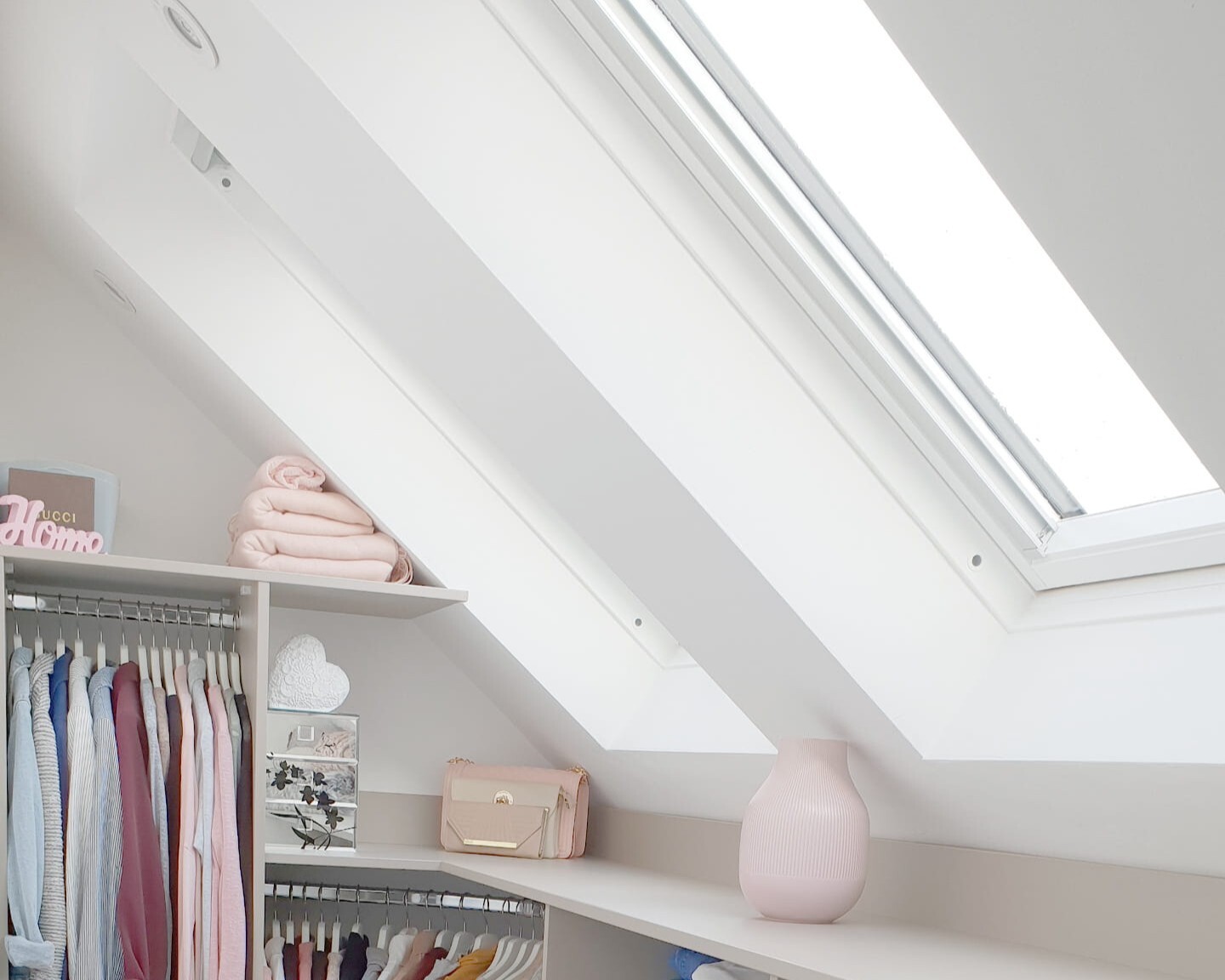
A loft conversion is often seen as one of the most efficient ways to add space and value to a [home](https://www.nuconcepts.co.uk/services/residential-architecture-services). On paper, it can look straightforward. You already have the structure, the footprint is fixed, and the goal seems clear. In reality, loft conversions are where small decisions made early can have a disproportionate impact on cost, usability, and long-term value.
[](https://www.nuconcepts.co.uk/hs/cta/wi/redirect?encryptedPayload=AVxigLK5hZax9mp1uclADAQSDU1re2Fm62hppNhQTLkONjJnyN1%2B62SzuMnwf7zgZQjsABmkP0DVr6ng%2Fw9oa957tOfcR9kTyDI1edh6UvLB2XNxHchVyBTUi8UtAft5pBGg2W%2FSwy8A3h2%2F89AgzvmOFwdnH52KA%2BUV89fl%2FXgvMm3MhR5pwNzk9SrHkrZO4a4gWkE7jdMT1U026j%2FyWMfgJ0NptI06&webInteractiveContentId=184040322966&portalId=6616482)
Many homeowners only realise they need architectural input once problems start to surface. Head height becomes tight, staircases compromise existing rooms, planning constraints are misunderstood, or the finished space feels disconnected from the rest of the house. By that stage, changes are rarely simple or inexpensive.
Understanding when an architect for a loft conversion adds real value helps you decide how to approach your project properly from the outset.
## Why Loft Conversions Are Often Underestimated
Loft conversions sit at the intersection of structure, [planning](https://www.nuconcepts.co.uk/blog/planning-loft-conversion-what-know-before), fire safety, and everyday usability. While they are often smaller in scale than [extensions](https://www.nuconcepts.co.uk/blog/considering-an-extension), they involve working within tight constraints.
The roof structure, existing floor levels, staircase position, and relationship to the rooms below all influence what is possible. A design that works on paper can feel compromised in reality if these elements are not considered together.
Buyers and occupants tend to make decisions based on how a space feels the moment they enter it. If a loft conversion feels awkward, dark, or disconnected, it can undermine the perceived value of the entire property. This is where architectural thinking moves beyond drawings and into long-term outcomes.
## When An Architect For Loft Conversion Becomes Essential
An architect for a loft conversion is particularly valuable when it involves more than a simple permitted development solution.
This includes situations where [planning permission](https://www.nuconcepts.co.uk/blog/planning-permission-loft-conversion) is required, such as properties in conservation areas, listed buildings, or developments that fall outside permitted development limits. In these cases, the success of the project often depends on how well the proposal is framed, not just what is being built.
Architectural input also becomes critical when the roof structure needs significant alteration, head height is limited, or the staircase position affects the layout of the existing home. These decisions influence not only compliance but also how the home functions day to day.
Party wall considerations and fire safety strategies further increase complexity. Addressing these elements early avoids costly redesigns and delays once construction has started.
## The Most Common Mistakes Without Architectural Input
One of the most frequent issues seen in loft conversions is designing for the immediate need without thinking several steps ahead. Homeowners often focus on gaining an extra room but overlook how it connects to the rest of the house or how future changes might be accommodated.
Another common problem is assuming a builder-led solution will automatically result in the best layout. Builders are experts in construction, but they are not responsible for optimising life flow, long-term adaptability, or resale appeal. Without a clear design strategy, decisions tend to be made in isolation rather than as part of a coherent whole.
In many cases, homeowners spend the same amount of money they would have anyway, but achieve less usable space or reduced flexibility simply because options were not explored early enough.
## Loft Types That Benefit Most from Architectural Design
Certain loft types benefit particularly from architectural involvement. Dormers, mansard conversions, hip-to-gable solutions, and roof lifts all introduce changes that affect the external appearance of the building as well as the internal layout.
These forms of conversion often require careful balancing of planning policy, proportion, and internal usability. Architectural design helps ensure that the new space feels intentional rather than forced, and that the conversion adds value rather than simply adding square metres.
## Long-Term Value And Resale Considerations
A well-designed loft conversion does more than create extra space. It improves how the home is experienced as a whole. When the layout, light, and circulation are resolved properly, the new level feels like a natural extension of the house rather than an afterthought.
This has a direct impact on resale. Properties with loft conversions that feel well integrated tend to sell faster and command stronger prices because buyers can immediately imagine living there without compromise.
This is where the idea of “pay less, buy twice” often applies. Saving on design input at the beginning can lead to higher costs later, either through remedial work, reduced value, or limitations that cannot easily be undone.
## When An Architect May Not Be Necessary
There are cases where a loft conversion can proceed without full architectural involvement. Very simple conversions that fall clearly within permitted development rights, require minimal structural change, and use standard solutions may be suitable for a more limited design approach.
The key is understanding whether your project genuinely fits this category before committing. This assessment is often where professional input is most valuable, even if the project itself remains straightforward.
## Taking The Right First Step
The most effective loft conversions are rarely the result of reacting to constraints as they arise. They are planned with a clear understanding of what is possible, what adds value, and how the space will be used over time.
Speaking to an architect early helps you see the full picture before decisions become fixed. It allows you to explore options, understand risks, and move forward with confidence rather than assumption.
If you are considering a loft conversion and want clarity on whether architectural input is needed for your specific property and goals, an early conversation can help you make informed decisions before committing to design or construction.
Early design decisions shape cost, usability, and resale more than most homeowners realise.
If you are considering using an architect for a loft conversion and want to understand the implications before committing, [arrange an initial discussion](https://www.nuconcepts.co.uk/contact) to explore your options with informed, strategic guidance.
[](https://www.nuconcepts.co.uk/hs/cta/wi/redirect?encryptedPayload=AVxigLK2PskoJsNpm%2BuIAH6AZlj7PkF5xX95Zc0%2FnFNRGKI%2ByEPxR1%2B%2BtEExVMoo%2BU0kpdoYITEsEcDBOnFg2IKcknLgiqqaaEj3rFnszQ5PGEYUlyKE18T2W32e1MFyhInPulbZ1f9n1LIFQC6hxhtDzIhQ90lAEWbhMG4R0wby%2FFHN7Q28PV2cTg%3D%3D&webInteractiveContentId=169973796370&portalId=6616482)
Topics: [Residential Architecture](https://www.nuconcepts.co.uk/blog/tag/residential-architecture) [Loft Conversions](https://www.nuconcepts.co.uk/blog/tag/loft-conversions)
#### Share this
[Share on X](https://x.com/intent/post?url=https://www.nuconcepts.co.uk/blog/when-need-architect-for-loft-conversion&text=When+Do+You+Need+To+An+Architect+For+A%26nbsp%3BLoft+Conversion%3F) [Share on Facebook](https://www.facebook.com/sharer/sharer.php?u=https://www.nuconcepts.co.uk/blog/when-need-architect-for-loft-conversion&t=When+Do+You+Need+To+An+Architect+For+A%26nbsp%3BLoft+Conversion%3F) [Share on LinkedIn](https://www.linkedin.com/shareArticle?mini=true&url=https://www.nuconcepts.co.uk/blog/when-need-architect-for-loft-conversion&t=When+Do+You+Need+To+An+Architect+For+A%26nbsp%3BLoft+Conversion%3F)
### No Comments Yet
Let us know what you think
[facebook-f icon](https://www.facebook.com/nuconceptsltd) [instagram icon](https://www.linkedin.com/company/nu-concepts/)
### Posts By Topics
- [Residential Architecture (17)](https://www.nuconcepts.co.uk/blog/tag/residential-architecture)
- [Case Studies (7)](https://www.nuconcepts.co.uk/blog/tag/case-studies)
- [Commercial Architecture (6)](https://www.nuconcepts.co.uk/blog/tag/commercial-architecture)
- [Small Extension (6)](https://www.nuconcepts.co.uk/blog/tag/small-extension)
- [Loft Conversions (5)](https://www.nuconcepts.co.uk/blog/tag/loft-conversions)
- [Residential Case Studies (5)](https://www.nuconcepts.co.uk/blog/tag/residential-case-studies)
- [HMO (3)](https://www.nuconcepts.co.uk/blog/tag/hmo)
- [Commercial Case Studies (2)](https://www.nuconcepts.co.uk/blog/tag/commercial-case-studies)
- [Hotel Design (2)](https://www.nuconcepts.co.uk/blog/tag/hotel-design)
- [Two-Story Extension (2)](https://www.nuconcepts.co.uk/blog/tag/two-story-extension)
- [Architecture Technologist (1)](https://www.nuconcepts.co.uk/blog/tag/architecture-technologist)
- [Building Regulations (1)](https://www.nuconcepts.co.uk/blog/tag/building-regulations)
- [Domestic Architecture (1)](https://www.nuconcepts.co.uk/blog/tag/domestic-architecture)
- [Hotel Extension (1)](https://www.nuconcepts.co.uk/blog/tag/hotel-extension)
- [Planning Application (1)](https://www.nuconcepts.co.uk/blog/tag/planning-application)
see all
### Recent Articles
[Designing A Loft Conversion That Actually Works: What Every Cheshire Homeowner Needs To Decide Before Contacting Anyone](https://www.nuconcepts.co.uk/blog/designing-a-loft-conversion-that-works)
[When Should You Use An Architect For A Loft Conversion?](https://www.nuconcepts.co.uk/blog/when-need-architect-for-loft-conversion)
[Planning A Loft Conversion: What You Should Know Before You Start](https://www.nuconcepts.co.uk/blog/planning-loft-conversion-what-know-before)
[HMO Property Design Mistakes And How To Avoid Them](https://www.nuconcepts.co.uk/blog/hmo-property-design-mistakes-how-avoid)
[Signs Your Hotel Needs To Be Redesigned](https://www.nuconcepts.co.uk/blog/signs-that-hotel-redesign-is-needed)
### Search
This is a search field with an autosuggest feature attached.
- There are no suggestions because the search field is empty.
### Subscribe to our blog
#### 
**Telephone:** [01925 648 585](tel:+441925648585)
**Email:** [info@nuconcepts.co.uk](mailto:info@nuconcepts.co.uk)
VAT Number: 158 121 816
Company Number: 7698098
- [HOME](https://www.nuconcepts.co.uk)
- [ABOUT](https://www.nuconcepts.co.uk/about)
- [HOW WE WORK](https://www.nuconcepts.co.uk/how-we-work)
- [CASE STUDIES](https://www.nuconcepts.co.uk/case-studies/residential)
- [GALLERY](https://www.nuconcepts.co.uk/gallery)
- [TESTIMONIALS](https://www.nuconcepts.co.uk/testimonials)
- [CONTACT](https://www.nuconcepts.co.uk/contact)
- [COMMERCIAL](https://www.nuconcepts.co.uk/services/commercial-architecture-services)
- [RESIDENTIAL](https://www.nuconcepts.co.uk/services/residential-architecture-services)
- [MANCHESTER](https://www.nuconcepts.co.uk/manchester-architect-services)
- [LYMM](https://www.nuconcepts.co.uk/architects-lymm-services)
- [KNUTSFORD](https://www.nuconcepts.co.uk/architects-knutsford)
- [RUNCORN](https://www.nuconcepts.co.uk/architects-runcorn-services)
- [ST HELENS](https://www.nuconcepts.co.uk/st-helens-architects)
Copyright © 2026 NU Concepts
- Developed by [JDR Group](https://www.jdrgroup.co.uk)
- Terms
- [Privacy](https://6616482.hs-sites.com/privacy)
- [Cookies](https://6616482.hs-sites.com/cookies)
```json
{
"@context" : "https://schema.org",
"@type" : "BlogPosting",
"author" : {
"@type" : "Person",
"name" : "Vishal Verma",
"url" : "https://www.nuconcepts.co.uk/blog/author/vishal-verma"
},
"dateModified" : "2026-04-01T09:00:00.369Z",
"datePublished" : "2026-04-01T09:00:00.000Z",
"headline" : "When Do You Need To An Architect For A Loft Conversion?",
"image" : [ "https://www.nuconcepts.co.uk/hubfs/When-Should-You-Use-An-Architect-For-A-Loft-Conversion.jpg" ],
"mainEntityOfPage" : {
"@id" : "https://www.nuconcepts.co.uk/blog/when-need-architect-for-loft-conversion",
"@type" : "WebPage"
},
"publisher" : {
"@type" : "Organization",
"logo" : {
"@type" : "ImageObject",
"url" : "https://www.nuconcepts.co.uk/hubfs/NU%20Concepts%20Logo-1.jpg"
},
"name" : "NU Concepts"
}
}
```
```json
{
"@context" : "https://schema.org",
"@type" : "LocalBusiness",
"address" : {
"@type" : "PostalAddress",
"addressCountry" : "UK",
"addressLocality" : "Warrington",
"addressRegion" : "Cheshire",
"postalCode" : "WA3 6ZH",
"streetAddress" : "Rutherford House, Warrington Rd, Birchwood"
},
"aggregateRating" : {
"@type" : "AggregateRating",
"ratingValue" : "5.0",
"reviewCount" : "30"
},
"alternateName" : "NU Concepts",
"contactPoint" : {
"@type" : "ContactPoint",
"areaServed" : "GB",
"availableLanguage" : "en",
"contactType" : "customer service",
"telephone" : "+44 0192 564 8585"
},
"geo" : {
"@type" : "GeoCoordinates",
"latitude" : 53.4045,
"longitude" : -2.5206
},
"image" : "https://www.nuconcepts.co.uk/hubfs/51-0-0-0-10000-10000-768.webp",
"logo" : "https://www.nuconcepts.co.uk/hs-fs/hubfs/NU%20Concepts%20Logo-1.jpg",
"name" : "NU Concepts Ltd",
"openingHours" : [ "Mo-Fr 09:00-17:30", "Sa 09:30-13:30", "Su Closed" ],
"priceRange" : "£",
"sameAs" : [ "https://www.facebook.com/nuconceptsltd", "https://x.com/NUConceptsLtd", "https://www.instagram.com/nuconceptsltd/", "https://www.linkedin.com/company/nu-concepts/", "https://in.pinterest.com/nconcepts0652/" ],
"telephone" : "0192 593 1073",
"url" : "https://www.nuconcepts.co.uk/"
}
```