
Share this
by Vishal Verma on Mar 25, 2026, 10:00:00 AM
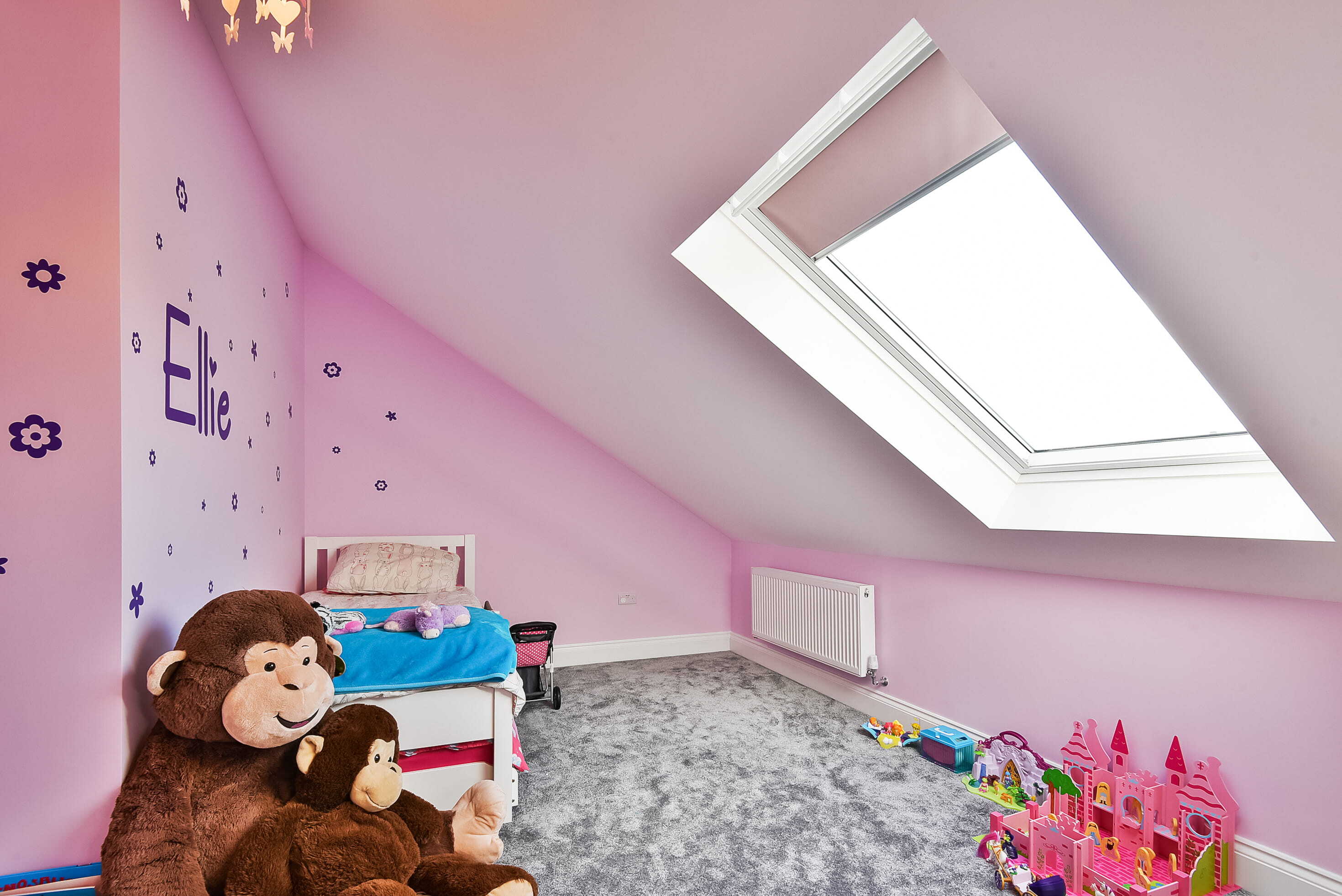
A loft conversion is often one of the first options homeowners consider when they need more space. It can feel like an efficient solution. The structure is already there, the footprint stays the same, and the potential seems obvious. What many people underestimate is how much of the project’s success depends on the planning stage, long before any design or construction work begins.

Planning a loft conversion is not just about permissions or measurements. It is about understanding what is realistically achievable within the constraints of your property, how the new space will function as part of the home, and whether the investment will add long-term value rather than short-term compromise. Getting clarity early helps avoid costly redesigns, delays, and decisions that are difficult to undo once work has started.
Planning a loft conversion typically involves assessing the existing roof structure, head height, staircase positioning, and how the new space connects to the rest of the house. These factors influence not only compliance, but also how the space will feel to live in and how it will be perceived by future buyers.
Understanding Planning Permission And Permitted Development
One of the first questions homeowners ask is whether planning permission is required. Some loft conversions fall within permitted development rights, meaning they can be carried out without submitting a full planning application, provided specific criteria are met. However, this is not guaranteed and depends on factors such as roof alterations, volume limits, property type, and location.
Properties in conservation areas, listed buildings, or homes that have already been extended often face additional restrictions. Even where permitted development applies, certain projects still require prior approval, particularly for larger or more complex conversions.
Assuming a project does not need planning permission without proper assessment is one of the most common causes of delays later on. Early planning advice helps confirm which route applies to your property and avoids starting down a path that may need to be reversed,
Considering The Internal Layout Early
A successful loft conversion is rarely defined by floor area alone. How the space is accessed, how it relates to existing rooms, and how natural light enters all influence whether the conversion feels like a natural extension of the home or an isolated add-on.
Staircase positioning is often the single most important internal decision. Poorly placed stairs can compromise existing rooms, reduce usable space, or make the loft feel disconnected. Addressing this early in the planning stage allows the layout to be resolved as part of the whole house rather than as a separate level.
Head height is another critical factor. While minimum standards exist, meeting regulations does not automatically mean the space will feel comfortable or usable. Planning helps assess whether adjustments to the roof structure or layout are required to achieve a genuinely functional room.
Structural And Technical Constraints
Every loft conversion works within the limitations of the existing building. Roof type, load-bearing walls, and floor structure all influence what is possible. Understanding these constraints early allows realistic options to be explored before expectations are set too high.
Fire safety and means of escape are also integral to planning a loft conversion. These requirements influence door layouts, stair design, and sometimes the scope of work required on lower floors. Addressing these elements early avoids late design changes that can affect both cost and layout.
Planning A Loft Conversion For Long-Term Use And Value
Planning a foft conversions should be done with more than the immediate need in mind. Homes evolve over time. What starts as an extra bedroom may later become a home office, guest space, or family room. A well-planned conversion allows this flexibility without requiring further structural work.
From a resale perspective, loft conversions that feel well integrated tend to add more value than those that feel forced or compromised. Buyers respond to spaces that make sense intuitively, where circulation, light, and proportions feel considered rather than squeezed in.
This is where early planning pays off. Decisions made at this stage influence how easily the space adapts in the future and how attractive the property is when it comes time to sell.
When To Seek Professional Input
While some loft conversions are relatively straightforward, many benefit from professional guidance at the planning stage. This is particularly true where planning permission is required, constraints are tight, or the internal layout affects the rest of the house.
Early advice helps clarify what is achievable, identify potential risks, and explore alternatives before any decisions are locked in. It allows homeowners to move forward with confidence rather than assumptions.
If you are planning a loft conversion and want to understand what is realistically possible for your property, exploring your options early can help you plan with clarity and avoid costly compromises later on.
A successful loft conversion should feel like it was always part of the home.
If you are considering converting your loft and want to ensure it adds genuine usability and long-term value, arrange an initial discussion to explore your options with informed, strategic guidance.

No Comments Yet
Let us know what you think