
Share this
by Vishal Verma on Feb 25, 2026, 10:00:01 AM
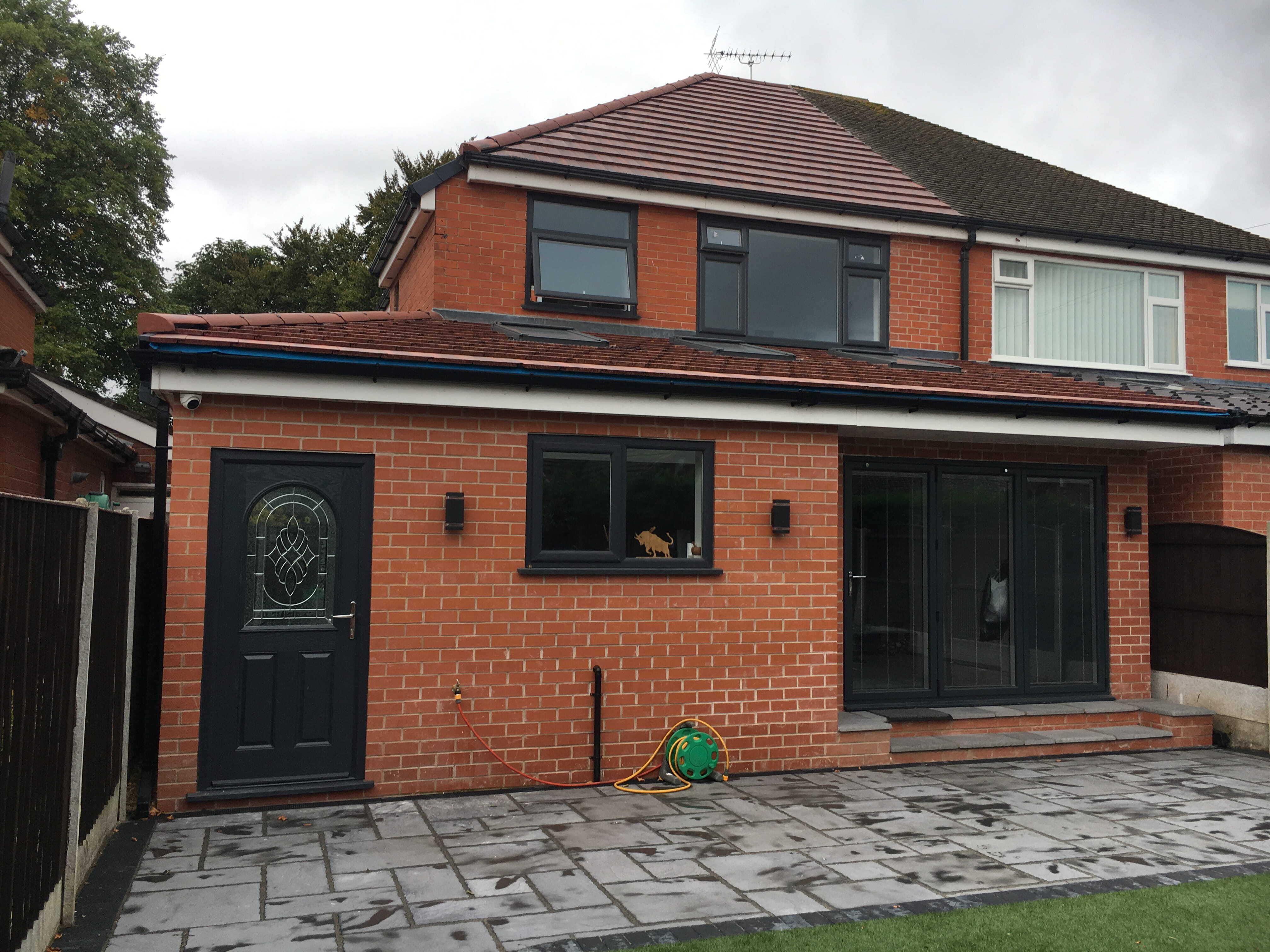
Extending a home is often seen as a straightforward way to increase its value. In many cases, it can be. However, the real impact of adding a home extension is rarely determined by size alone. How well it is planned, how it integrates with the existing property, and how it aligns with buyer expectations all play a significant role in whether value is genuinely added.

A well-considered extension can improve how a home functions day to day, make better use of available space, and enhance its overall appeal. Conversely, an extension that is poorly designed, out of proportion, or not properly approved can limit resale potential and, in some cases, reduce a property’s value. Understanding the factors that influence value early on helps homeowners make more informed decisions and avoid over-investing.
Size And Type Of Extension
Additional usable living space is one of the most common reasons homeowners choose to extend. Increasing the size of a kitchen, adding an extra bedroom, or creating more flexible living areas can make a property more attractive to future buyers. The purpose of adding a home extension is just as important as its size. Spaces that support modern living, such as open-plan family areas, home offices, or additional bathrooms, often appeal to a broader range of buyers.
Quality Of The Build
The quality of an extension has a direct impact on value. High standards of construction, appropriate materials, and attention to detail can enhance a property’s overall appeal. If an extension feels disconnected from the original building, uses poor-quality finishes, or appears as an afterthought, it may detract from the value rather than add to it.
Location
Location plays a key role in determining the return on an extension. In areas with strong demand and higher property values, extensions are more likely to deliver a positive return. In lower-demand areas, the same level of investment may not translate into a comparable increase in value. Local market conditions and buyer expectations should always be considered before committing to significant works.
Planning Permission And Building Regulations
Adding a home extension that is properly approved and compliant with building regulations is far more likely to add value. Missing permissions or incomplete compliance can raise concerns during a sale, potentially delaying transactions or reducing buyer confidence. Ensuring that statutory requirements are addressed from the outset protects both the value of the extension and the wider property.
Balance With The Existing Property
An extension should complement the original home rather than dominate it. Proportion, scale, and layout are critical. Extensions that disrupt the natural flow of a property, create awkward internal layouts, or feel out of character can negatively affect how the home is perceived. Good design ensures that new spaces enhance usability without compromising the balance of the existing structure.
Market Trends
Changing lifestyle patterns influence what buyers value most. Demand for flexible living space, home offices, and larger kitchen or family areas has increased in recent years. Extensions that respond to these trends are often more attractive and more saleable. Understanding how people use their homes today, and how this may continue to evolve, helps ensure that adding a home extension remains relevant over time.
Neighbourhood Context
Comparing a property to others in the surrounding area is an important consideration. An extension that brings a home in line with neighbouring properties can improve its market position. However, significantly exceeding the typical size or value of homes in the area may make resale more challenging. Being aware of local price ceilings helps reduce the risk of over-investing.
As a general guide, a well-designed and well-built extension can increase a property’s value by around five to fifteen percent. This varies widely depending on design quality, location, market conditions, and how effectively the new space is integrated into the existing home.
Ultimately, the decision to extend should not be based solely on the potential uplift in value at the point of sale. The quality of the space created, how it supports everyday living, and how well it adapts to future needs are equally important. Thoughtful, design-led decisions made early in the process help ensure that an extension delivers both practical and long-term value.
If you are considering extending your home and want clarity on what will add genuine value in your specific property and location, exploring your options with professional guidance at an early stage can help you make well-informed decisions before committing to design or construction. For more information or to see how NU Concepts can help you, please book a free consultation.

No Comments Yet
Let us know what you think